
Heather Kerns, Contributor
During my undergraduate research on microplastic pollution, I spent hours examining water samples collected throughout New York's Finger Lakes watershed, searching for plastic pollution too small to see with the naked eye. Again and again, one type of microplastic appeared: fibers.
Unlike the bottles, food packaging, or abandoned fishing gear that many people picture when they think of plastic pollution, these particles looked more like tiny strands of thread. Many originated from synthetic fabrics like polyester, nylon, and acrylic. These materials are woven into the fleece jackets, athletic wear, and everyday clothing found in nearly every closet.
That experience changed the way I think about clothing. Plastic pollution doesn't just come from the items we throw away. Sometimes, it comes from the clothes we wear every day.
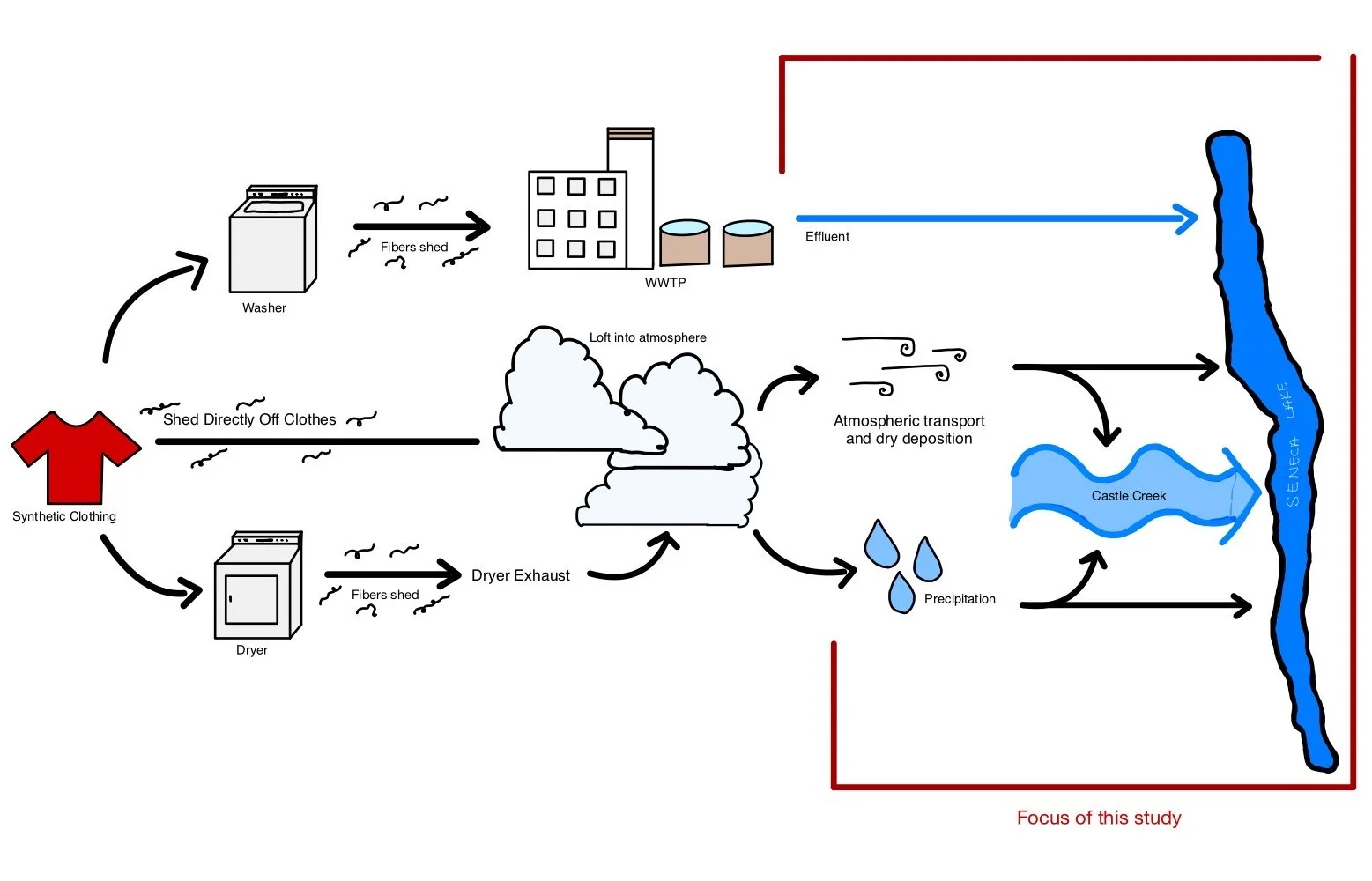
A graphic from my final research paper showing the pathways a microplastic fiber could take through the watershed to end up in Seneca Lake.
More Than Just Bottles and Bags
Most of us don't think of our wardrobes as part of the plastic pollution problem. Yet synthetic clothing is made from petroleum-based plastics, meaning its environmental impact extends far beyond our closets. From manufacturing and everyday wear to laundering, resale, and eventual disposal, a garment's journey helps explain why fashion has become an increasingly important part of the global plastics conversation.
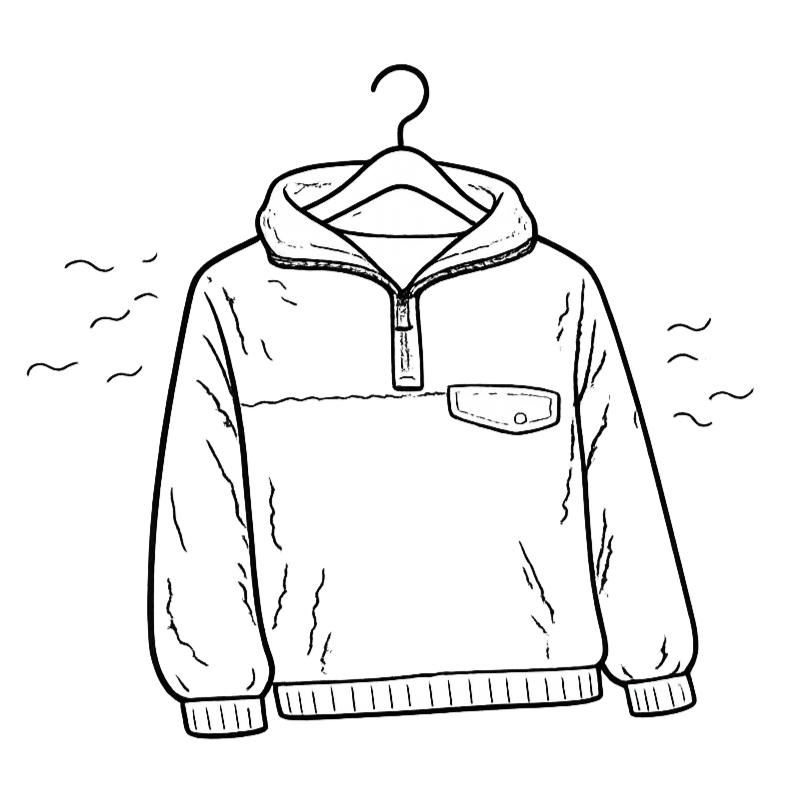
According to a 2024 study published in Nature Communications, a peer-reviewed scientific journal, the global apparel industry generated approximately 8.3 million metric tons of plastic pollution in 2019, accounting for roughly 14% of all plastic pollution worldwide. The researchers found that the largest source of this pollution isn't laundry or packaging, but mismanaged synthetic clothing at the end of its life. While donating or reselling clothing helps extend a garment's lifespan, the study notes that exported secondhand clothing can simply shift where plastic pollution occurs if it is ultimately discarded in regions without adequate waste management.
Those findings reinforce another growing challenge: textile waste, which we explored in our previous blog post. According to the U.S. Environmental Protection Agency, Americans sent 11.3 million tons of textiles to landfills in 2018, while only a small percentage was recycled. But a garment's environmental impact doesn't begin at the landfill. Long before it's discarded, it can start releasing microscopic plastic fibers into the environment.
Following the Fibers
Every time synthetic clothing is washed, tiny fibers break free from the fabric. Although wastewater treatment plants capture many of these particles, they are not designed to remove every microfiber. Those that escape can make their way into rivers, lakes, bays, and eventually the ocean.
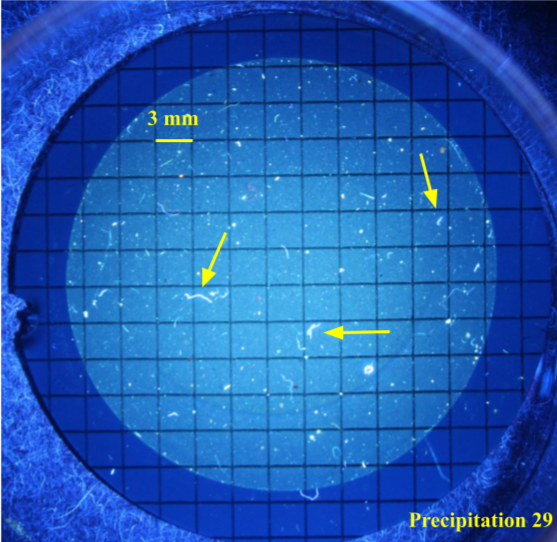
Images from my research project taken under UV light of microplastic fibers that were filtered out of rain water.
Researchers estimate that a single load of laundry can release hundreds of thousands—and in some cases millions—of microscopic synthetic fibers, depending on the garments being washed and the washing conditions. Scientists have even identified polyester microfibers in Arctic waters, thousands of miles from major population centers, demonstrating just how easily these particles travel through interconnected water systems.
From Our Closets to Our Coast
Here on Aquidneck Island, where the ocean shapes so much of daily life, this invisible pathway feels especially relevant. The waters surrounding our island support sailing, fishing, beaches, marine wildlife, and local businesses. A single load of laundry may seem insignificant, but multiplied across millions of households, those tiny fibers become part of a much larger environmental issue.
Small Choices, Lasting Impact
You may have heard of microfiber-catching laundry balls or filters designed to reduce the number of fibers leaving your washing machine. While these tools can be part of the solution, they're not the only way to make an impact. At WasteNaut, we’re focusing on practical, accessible habits that anyone can adopt. Here are three simple, no-cost ways to reduce the plastic footprint of your clothing:
1. Buy Less
Choose quality over quantity and make the most of the clothes you already own. Need inspiration? Check out our previous blog on reducing textile waste.
2. Wash Only When Needed
Not every garment needs to be washed after one wear. Fewer wash cycles mean fewer microfibers released and a longer life for your clothes.
3. Repair Before Replacing
A loose button or small tear doesn't have to mean the end of a garment. A quick repair keeps clothing in use and out of the landfill.
4. Hang Dry When You Can
Air drying is gentler on your clothes, helping them last longer while reducing the release of microfibers that can occur during tumble drying. Even replacing a few dryer cycles each week can make a difference.
It All Adds Up
The next time you pull on your favorite fleece or toss a load of laundry into the wash, take a moment to think about the journey those fibers might take. Small actions may seem insignificant on their own, but together they can create meaningful change.
References & Further Reading
Kounina, Anna, Jesse Daystar, Sophie Chalumeau, Jon Devine, Roland Geyer, Steven T. Pires, Shreya Uday Sonar, Richard A. Venditti, and Julien Boucher.The Global Apparel Industry Is a Significant Yet Overlooked Source of Plastic Leakage.Nature Communications.https://www.nature.com/articles/s41467-024-49441-4
Threading Change.From Laundry to the Lake: How Fashion Feeds Microplastic Pollution.https://www.threadingchange.org/blog/from-laundry-to-the-lake-how-fashion-feeds-microplastic-pollution
Tide Ocean SA.The Plastic Problem in Fast Fashion: Unpacking an Overlooked Crisis.https://www.tideyocean.org/blog/the-plastic-problem-in-fast-fashion-unpacking-an-overlooked-crisis
United Nations Environment Programme (UNEP).Sustainability and Circularity in the Fashion and Textiles Industry.https://www.unep.org/news-and-stories/press-release/unsustainable-fashion-and-textiles-focus-international-day-zero
U.S. Environmental Protection Agency (EPA).Textiles: Material-Specific Data.https://www.epa.gov/facts-and-figures-about-materials-waste-and-recycling/textiles-material-specific-data